
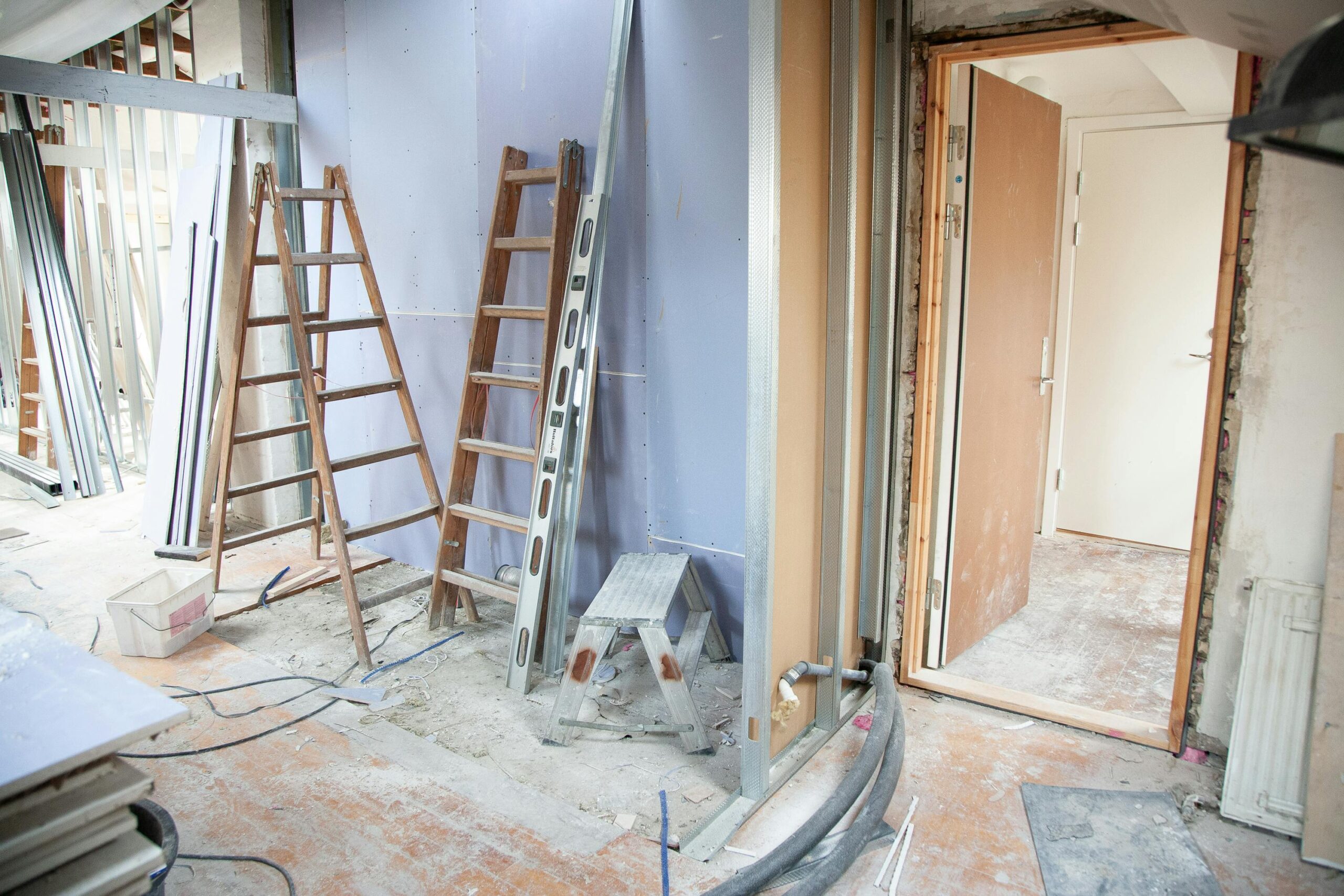
When it comes to selling your home, not all renovations are created equal. While some home upgrades can significantly increase your property’s resale value, others may drain your budget without delivering a satisfactory return on investment (ROI). In fact, certain costly home improvements might even make your property less appealing to potential buyers. Understanding which renovations offer low ROI and which are worth the investment is essential for making informed decisions. If you’re planning to sell soon, knowing buyer preferences and avoiding common renovation pitfalls can save you time, money, and frustration. This comprehensive guide explores home renovations that don’t pay off at sale and how to make the best choices to maximize your property’s value.
Why Some Renovations Fail to Deliver ROI
Not every renovation guarantees a profitable return. Low ROI on renovations often occurs when homeowners over-improve their property or make upgrades that don’t align with current buyer preferences. Over-improving happens when the cost of a renovation far exceeds the added market value. For example, installing high-end luxury features in a neighborhood with modest homes typically doesn’t provide a good return because buyers won’t pay extra for premium upgrades that don’t match surrounding properties.
Some home improvements are simply unnecessary, such as converting a bedroom into a specialized home gym or adding extravagant landscaping. These choices may suit a niche audience but can narrow your pool of potential buyers. It’s critical to understand your target market and stay updated on real estate trends before investing in renovations. Aligning your improvements with buyer expectations can help you avoid costly renovation mistakes and attract a broader range of potential buyers.
The Cost of Over-Improving
One of the most common renovation mistakes is over-improving — spending more on upgrades than your home’s market value can support. This often results from personalizing renovations to fit individual tastes without considering resale value. For instance, installing a custom home theater with expensive audiovisual equipment may not appeal to most buyers who value versatility in living spaces.
Similarly, incorporating luxury finishes like imported tiles or bespoke cabinetry can be costly without significantly increasing your property’s market price. In real estate, it’s vital to match your home’s features with comparable properties in the area. Over-improving beyond your neighborhood’s standard can make it difficult to recoup your investment, since buyers rarely pay a premium for features they don’t consider essential.
Low ROI Renovations to Avoid
To maximize your property value and avoid expensive home improvements with low returns, here are some renovations commonly associated with poor ROI:
- High-End Kitchen Remodels: While kitchens remain important to buyers, extravagant remodels featuring luxury countertops, custom cabinets, or top-tier appliances can significantly increase costs without proportionally boosting your home’s value. Instead, consider minor updates such as repainting cabinets, updating hardware, or adding energy-efficient appliances to enhance appeal affordably.
- Overly Customized Bathrooms: Spa tubs, intricate tile work, or designer vanities may not attract the average buyer, who often prefers clean, functional spaces. Opt for practical upgrades like new fixtures, modern lighting, and neutral paint to create a fresh, inviting bathroom.
- Expensive Landscaping and Outdoor Features: Large-scale landscaping projects, outdoor kitchens, or luxury pools require significant maintenance and expenses, which may deter buyers looking for low-maintenance yards. Focus on simple, neat landscaping including trimmed hedges, a clean walkway, and a freshly painted front door for strong curb appeal.
- Dedicated Home Office Conversions: Despite the rise in remote work, highly specialized office spaces with built-in desks and shelving don’t always provide a high return. Instead, stage these rooms as flexible multi-purpose spaces that can function as offices, guest rooms, or play areas, appealing to a wider buyer demographic.
- Luxury Additions and Expansions: Features like home theaters, wine cellars, or personal gyms cater to niche markets and often don’t yield profitable returns. Buyers generally prefer additional bedrooms, storage, or functional spaces. Before expanding, assess if the cost aligns with comparable homes’ values in your area to avoid financial losses.
Understanding Buyer Preferences and Market Trends
A key part of an effective selling strategy is understanding buyer preferences and current real estate market trends. Today’s buyers prioritize energy efficiency, functionality, and low-maintenance features. Smart home technology, energy-efficient windows, modern insulation, and updated HVAC systems are increasingly desirable because they provide long-term savings and convenience.
Conversely, highly personalized or luxury upgrades often don’t resonate with most buyers. Keeping renovations neutral, functional, and adaptable broadens your home’s appeal. Neutral paint colors, contemporary lighting, and practical storage solutions attract a wide range of potential buyers. Staying informed about local market trends empowers you to make smart renovation choices to maximize ROI.
Maximizing Property Value with Smart Renovations
To avoid costly renovation mistakes and enhance property value, focus on strategic, cost-effective upgrades that deliver the best ROI. Begin by addressing essential repairs such as fixing structural issues, roof leaks, plumbing problems, or HVAC malfunctions—buyers prioritize safety and functionality.
Affordable updates that offer visual impact include fresh paint, modern light fixtures, and updated hardware. Enhancing curb appeal is also crucial and doesn’t require a large budget; simple landscaping, a new mailbox, and a clean exterior can create a welcoming first impression.
Staging your home effectively is vital to help buyers envision themselves living there. Use neutral decor to create an airy, inviting environment. Strategic renovations aligned with buyer preferences result in a market-ready home that attracts stronger offers and maximizes investment returns.
Sell Your House Without Costly Renovations
If you’re looking to sell your house quickly without investing in expensive home improvements, consider selling as-is. At Ace Home Buyers, we understand that not all homeowners want to deal with renovations before selling. We buy houses in any condition, so you can avoid the hassle of repairs and upgrades. Our streamlined buying process is transparent and stress-free, ensuring you can sell your home efficiently and move forward with confidence.
Move Forward Without Renovation Headaches
Ready to sell your home without spending money on renovations that don’t guarantee returns? Ace Home Buyers makes selling easy and hassle-free. Whether your property needs minor repairs or major fixes, we’ll buy it as-is and provide a fair cash offer with a quick closing process. Say goodbye to the stress of costly upgrades and uncertain ROI—sell your home on your terms and take the next step with confidence. Visit us today to start a simple, worry-free home sale.
Frequently Asked Questions (FAQs)
Renovations with high ROI typically include minor kitchen updates, fresh paint, new flooring, modern light fixtures, and improvements to curb appeal. Energy-efficient upgrades and essential repairs also add significant value.
Luxury renovations may exceed what buyers in your neighborhood expect or are willing to pay for, leading to over-improving. This situation makes it difficult to recoup costs since most buyers prioritize functionality and affordability.
Research buyer preferences in your area, review comparable home sales, and focus on neutral, functional improvements. Consulting with a real estate professional can also help you identify upgrades that add value without overspending.
It depends on your financial situation, timeline, and market conditions. Selling as-is can save time and money if your home needs extensive repairs. However, minor strategic renovations can increase your sale price. Consider options like cash buyers who purchase homes as-is for convenience.
Over-customized rooms, expensive landscaping, luxury pools, high-end spa bathrooms, and specialty additions like wine cellars or home theaters often do not offer a strong resale value and may deter some buyers.
For more insights on which renovations offer low ROI, check out How Curb Appeal Influences Your Homes Market Value.
For more insights on which renovations offer low ROI, check out How Curb Appeal Influences Your Homes Market Value.