
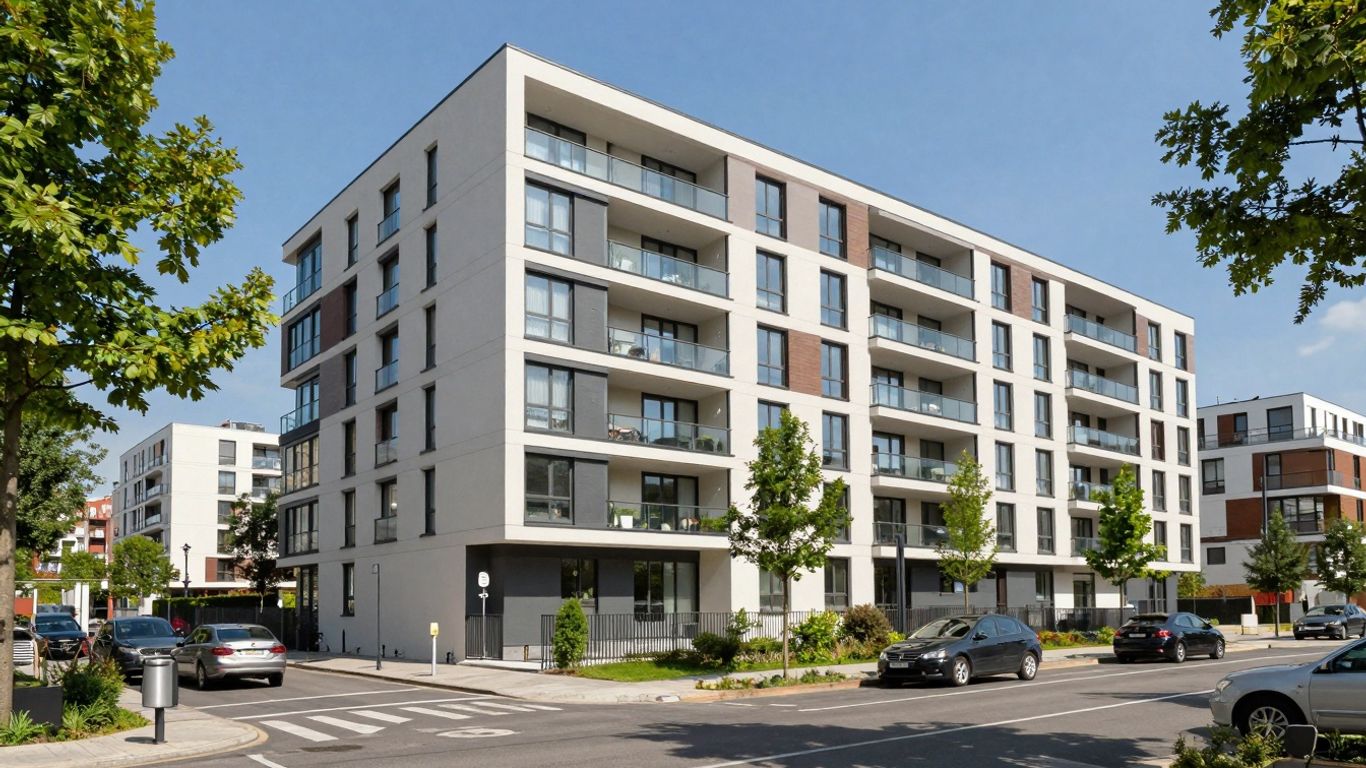
For decades, the apartment building was the family trophy. One generation bought it. Another generation collected the rent checks. The property became the centerpiece of family wealth.
That formula is starting to break down.
A growing number of multifamily owners are discovering something uncomfortable during estate planning conversations: their kids do not want the building.
They may appreciate the wealth. They may respect the work that created it. They often do not want the responsibility that comes with it.
This shift is changing how apartment owners think about succession, liquidity, and long-term planning.
The Business Looks Different From the Outside
Many first-generation apartment owners built their portfolios through hands-on work. They handled leasing calls, maintenance problems, contractor negotiations, and late-night emergencies.
The grind became normal.
Their children usually experienced the business differently. They saw stress, interruptions, and constant operational problems tied to the property.
One owner described a conversation with his son during a family meeting.
“He looked at me and said, ‘Dad, I know the building made us financially secure. But every family vacation I remember involved you taking maintenance calls in the parking lot.’”
That comment changed the owner’s perspective immediately.
The next generation often values flexibility more than operational control.
The Operational Burden Keeps Growing
Owning apartments has become more complicated over the last fifteen years.
Insurance costs climbed sharply in many markets. Labor costs increased. Vendor coordination became more demanding. Tenants expect faster responses and upgraded amenities.
According to the National Apartment Association, operating expenses for multifamily properties increased by more than 26% nationally between 2021 and 2023. Insurance and payroll costs led much of the increase.
Older owners feel this pressure directly. Younger family members notice it too.
An apartment building no longer looks like passive income to many heirs. It looks like a full-time operating business.
That perception matters.
One second-generation family member explained it bluntly during an industry discussion.
“My parents call it ownership. I call it being on-call forever.”
Geography Changed the Equation
Previous generations often stayed in the same city for decades. Their apartment properties sat close to home. Management remained local and familiar.
Today many children live in different states entirely.
A daughter working in Austin may inherit a property in Richmond. A son building a career in New York may have little interest in managing units in suburban Georgia.
The distance creates practical problems.
Managing a property remotely requires stronger systems, trusted operators, and regular oversight. Many heirs do not want to build that infrastructure into their lives.
A recent Pew Research study found that younger professionals relocate for work significantly more often than previous generations. Mobility changed how families think about local real estate ownership.
The apartment building may still produce income. It no longer fits the lifestyle of the next generation.
Wealth and Work Are No Longer Viewed the Same Way
Many first-generation owners linked wealth directly to effort. Hard work created security.
The next generation often separates those ideas differently.
They still value wealth creation. They simply prefer scalable or flexible investments over operationally heavy assets.
One investor summarized the difference perfectly.
“The first generation wanted ownership because it represented stability,” he said. “The second generation wants optionality.”
That shift explains why many heirs prefer diversified investments, private equity exposure, or passive real estate structures instead of direct management.
The apartment building itself becomes less attractive than the cash flow attached to it.
Deferred Maintenance Creates Anxiety
Older apartment properties often carry hidden operational issues.
Roofs age out. HVAC systems fail. Parking lots crack. Plumbing problems appear all at once.
Capital expenditures arrive in waves.
Many heirs understand this instinctively. They see an aging property not as a stable asset, but as a future list of expensive projects.
According to Freddie Mac research, maintenance and repair costs for multifamily properties over twenty years old rise significantly faster than newer properties, especially when major systems begin replacement cycles.
One owner recently explained how his daughter reacted after reviewing a property inspection report.
“She stopped asking about the rental income once she saw the reserve schedule. The first thing she said was, ‘Wait, the roof alone costs how much?’”
That moment happens more often than many owners realize.
Family Conversations Usually Happen Too Late
Many apartment owners assume their children will naturally take over the business one day.
The issue is that families often avoid detailed succession conversations until a major life event forces them.
At that point emotions run high and options narrow.
Some heirs feel guilty admitting they do not want the responsibility. Parents sometimes interpret that hesitation as rejection of the family legacy.
The result is confusion instead of planning.
In one industry conversation about multifamily succession planning, the name Ben Roper came up while discussing how many owners underestimate the operational burden their heirs will inherit along with the property itself.
That point captures the core issue perfectly.
The next generation is not rejecting wealth. They are questioning the structure attached to it.
Selling Is Not the Only Option
Many owners assume the only choices are either keeping the building forever or selling it outright.
That binary thinking limits flexibility.
Several alternatives now exist for owners who want to reduce operational burden while preserving economic value.
Professional third-party management can remove day-to-day responsibilities.
Joint venture structures allow operating partners to handle execution.
Some owners explore structured transactions that convert direct ownership into diversified real estate exposure.
These strategies appeal to families that want income and long-term investment participation without active property management.
The goal shifts from preserving the exact asset to preserving the value created by the asset.
That distinction matters.
What Owners Should Be Asking Right Now
Apartment owners approaching succession planning should ask direct questions early.
Does the next generation actually want operational responsibility?
Would they prefer passive income over direct ownership?
How much deferred maintenance exists today?
What capital projects will emerge over the next ten years?
Would the family benefit more from diversification than concentration in a single property?
These questions create clarity.
Avoiding them creates problems later.
The Legacy May Need a New Shape
The apartment building may have built the family’s wealth. That does not guarantee it remains the best structure for the family’s future.
Real estate ownership changed. Family priorities changed. Operational demands changed.
The next generation often wants freedom more than management responsibility.
That shift is not failure. It is evolution.
The families that navigate this transition successfully usually recognize one important truth early.
Passing down wealth matters more than passing down the exact building.
Apart from that if you want to know about Real Estate Success Starts With Local Expertise then please visit our Real Estate Category.