
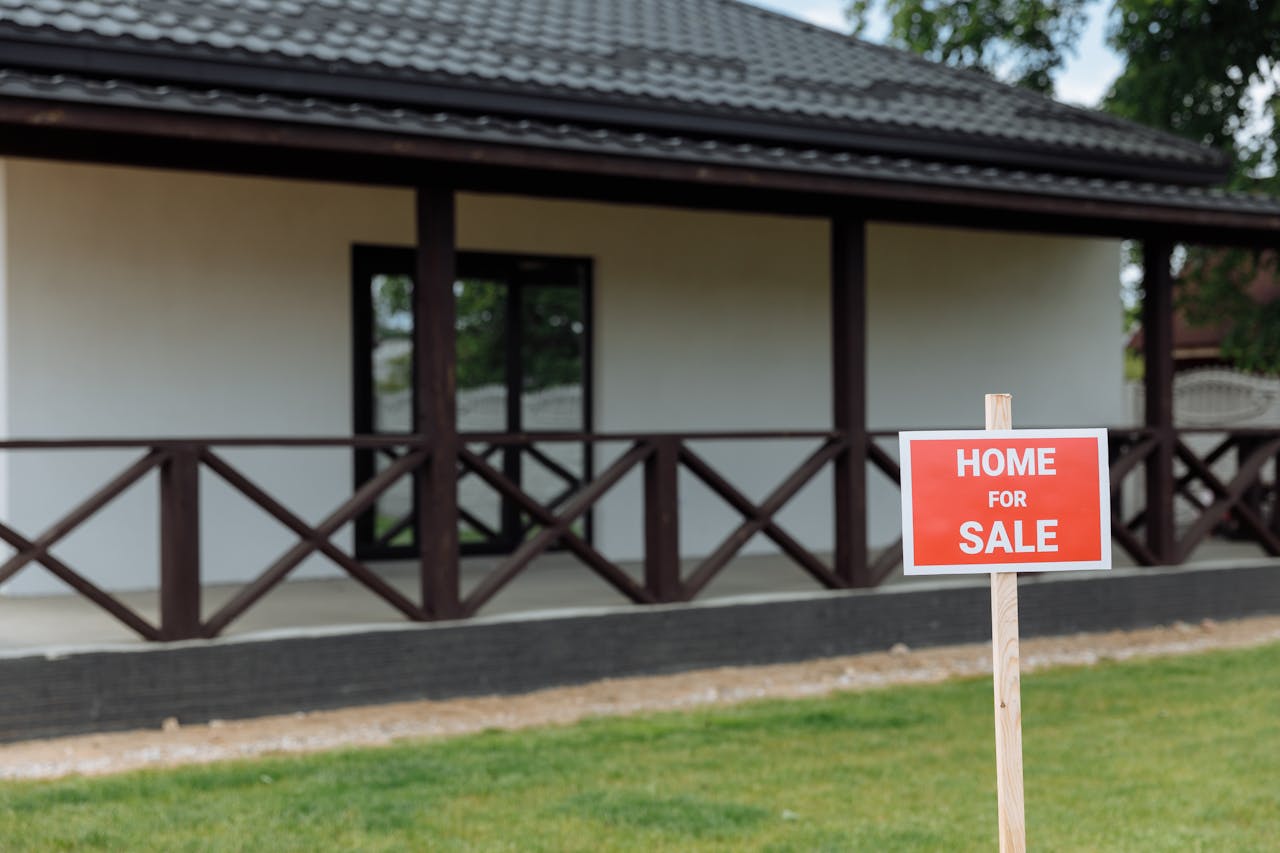
Selling a home is an exciting yet often stressful journey, especially when facing tight deadlines, financial constraints, or the desire to avoid costly repairs. Investing time and money into home repairs and renovations can feel overwhelming, particularly if you’re uncertain whether the return on investment (ROI) will justify the effort. The good news? You don’t have to endure that hassle. Selling your home “as-is” is a cost-effective approach that lets you skip renovations, avoid expensive repairs, and still receive a fair cash offer.
In this comprehensive guide, we’ll explain why selling your home as-is might be the ideal solution for you. You’ll discover the benefits related to speed, simplicity, and financial savings. Selling as-is facilitates a quick, hassle-free sale without the stress of renovations or extensive inspections. If you need to sell your house fast, this strategy could be your best option.
Why Sell Your Home As-Is?
Selling your home as-is means offering it in its current condition without making any repairs or upgrades. This can be a major advantage if your property requires significant repairs or if you’re unwilling or unable to invest time, money, and effort into renovations.
One of the primary benefits of selling as-is is avoiding costly home repairs. Many homes need significant updates before hitting the market — whether that’s fixing plumbing problems, replacing an aging roof, or updating outdated appliances. These renovations can quickly add up in expenses and delay your sale. By selling as-is, you bypass these hurdles, enabling a faster transaction.
Besides cost savings, selling as-is also saves time. Traditional home sales can take months, particularly when renovations or repairs are involved. Selling your home in its current state usually speeds up the process dramatically, reducing stress and allowing you to move forward faster. It’s an efficient and hassle-free process that streamlines your sale and lets you focus on your next chapter.
The Impact of Selling As-Is on Property Value
Homeowners often worry that selling as-is will significantly reduce their property’s value. While it’s true that as-is sales typically fetch lower prices compared to fully renovated homes, this isn’t necessarily a net loss. When you factor in the time and cost saved from avoiding repairs, selling as-is can still offer substantial value.
Understanding your buyer base is key. Investors and house flippers often seek out as-is properties because they see potential to renovate and increase equity. These buyers are generally willing to pay a fair price reflective of the home’s condition, knowing upfront that repairs and upgrades will be their responsibility.
Ultimately, selling as-is means you won’t face out-of-pocket repair bills, and you can often close the sale more quickly. This approach is particularly beneficial if you’re navigating financial challenges, have time constraints, or prefer not to manage the stress of home renovations.
Home Inspections and the As-Is Selling Process
Even when selling as-is, home inspections generally still occur. The difference is that, unlike traditional sales, you are not expected to make repairs based on inspection findings. Buyers agree to purchase the property in its current condition and usually adjust their offer to account for any issues found.
Because buyers understand that repairs and upgrades will be their responsibility post-sale, you can avoid the hassle of negotiating repair requests. This makes the process simpler and less stressful for both parties.
This method appeals especially to sellers who need a fast transaction, such as those facing foreclosure, divorce, or urgent relocations. Selling as-is streamlines the sales process by eliminating delays linked to repair work and inspection negotiations.
Selling As-Is as Part of Your Selling Strategy
Incorporating a sale as-is into your overall strategy can be highly effective if speed and convenience are top priorities. Whether you want to avoid repair costs, need to alleviate financial stress, or lack the time to renovate, selling as-is offers a practical solution.
Pricing is crucial when selling as-is. To attract buyers and achieve a quick sale, set a competitive, realistic price based on your local market and the home’s condition. Research comparable properties and be transparent about issues that affect value.
If your primary objective is to sell quickly, as-is can be your best path—eliminating the need for contractor scheduling, staging, or extensive prep work. This simple, expedited process benefits sellers in urgent circumstances.
Frequently Asked Questions About Selling As-Is
Yes. Selling as-is is an excellent option if your home requires major repairs or costly updates. It allows you to avoid the time and financial burden of making those repairs. Buyers seeking fixer-uppers are often willing to purchase as-is and invest in renovations themselves.
Absolutely. Even when selling as-is, you’re legally required to disclose any known defects or issues with your property. Full disclosure ensures a transparent transaction and helps prevent legal complications later. Buyers generally accept the home’s condition with the understanding they’ll handle repairs.
Typically, selling as-is results in a lower sale price than a renovated home. However, this should be balanced against the money and time saved by not making repairs. The sale price is adjusted for the home’s condition, which may still result in a fair offer depending on market dynamics and buyer interest.
Selling your home doesn’t have to be complicated or expensive. At Peerpoint Property Solutions, we provide straightforward, no-obligation cash offers—no repairs, no delays, just a fast, easy sale. Avoid the stress of renovations and let us handle the details while you focus on your next step. Don’t wait for the perfect buyer; take control of your home sale today with Peerpoint Property Solutions. Visit us to see how quickly you can move forward with confidence.
Yes, you can sell as-is even if there are legal or title issues, but it’s important to disclose these upfront. Some buyers specialize in handling properties with such complications. Consulting a real estate attorney before listing is advisable to ensure a smooth transaction.
Usually, selling as-is leads to a quicker closing process since you avoid the repair and negotiation periods common in traditional sales. However, closing times can vary depending on financing and buyer readiness.
While selling as-is works well for homes needing repairs or for owners seeking a fast sale, pristine or recently renovated homes generally achieve better value through traditional sales. Evaluate your home’s condition and your selling goals to decide the best method.