Introduction
Overseas Filipino Workers (OFWs) are renowned for their hard work and dedication, often working abroad to provide for their families back home. As their earnings increase, many OFWs are seeking smart ways to invest their money wisely. One of the most promising investment opportunities lies in Philippine real estate. This article delves into how OFWs can capitalize on the thriving real estate market in the Philippines to grow their wealth and secure their financial future.
Why Invest in Philippine Real Estate?
Strong Economic Growth
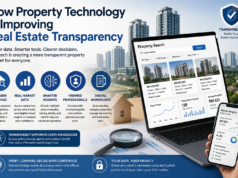
The Philippine economy has experienced robust growth, with a GDP growth rate averaging around 6% annually before the global slowdown in 2020 and rebounding strongly thereafter. This economic momentum has driven extensive infrastructure development and a booming real estate sector. Investing in Philippine real estate now offers the potential for substantial returns as the market continues to expand, fueled by urbanization, increased foreign investments, and government-led housing programs. Investing in property
Stable and Appreciating Asset
Real estate remains one of the most stable forms of investment. Unlike volatile assets such as stocks or bonds, property typically appreciates over time, providing long-term capital gains. This makes real estate an ideal investment for OFWs who want to preserve and grow their wealth steadily. Real estate
Diversification of Investment Portfolio
Investing in real estate enables OFWs to diversify their financial portfolio, reducing overall risk by spreading investments across various asset classes. Real estate offers the dual benefit of generating rental income and capital appreciation, providing both short-term cash flow and long-term growth.
Steps to Investing in Philippine Real Estate
Thorough Research and Planning
Before investing, OFWs should conduct comprehensive research and planning. Understanding market trends, property values, and potential growth areas is vital for making sound investment choices. Consulting with reputable real estate agents and financial advisors can provide critical guidance and help identify the best opportunities.
Selecting the Right Property
Choosing the right property is crucial to investment success. OFWs should consider factors such as location, property type, accessibility, and potential for rental income or resale appreciation. Properties situated in prime urban centers or emerging developments generally offer higher returns.
Exploring Financing Options
Several financing options are available for OFWs purchasing property in the Philippines. These include home loans from local banks, developer in-house financing, and personal savings. Comparing interest rates, loan terms, and qualification requirements is essential to select the most advantageous financing method.
Understanding Legal Considerations
Real estate investment involves various legal requirements and documentation. OFWs should ensure full compliance with Philippine property laws, including ownership restrictions and proper documentation. Engaging a trustworthy real estate lawyer can help navigate legal processes and safeguard their investments.
OFW Property Investment Philippines: Key Considerations
In the context of OFW property investment Philippines, OFWs should consider critical factors such as their remittance process, ensuring that funds are transferred securely, cost-effectively, and efficiently. Awareness of applicable tax laws and regulations is essential to optimize tax liabilities and avoid legal issues.
Property management is another significant consideration. Since OFWs are based abroad, managing and maintaining their properties can be challenging. Employing a reputable property management company can ensure the property is well-maintained, tenants are screened, and rental incomes are collected promptly and securely.
Benefits of Investing in Philippine Real Estate
Steady Rental Income
Rental properties can provide OFWs with a consistent source of passive income. Growing demand for housing, especially in urban and business districts, translates into strong rental yields and low vacancy rates, making rental investments profitable.
Long-Term Capital Appreciation
As the Philippine real estate market matures and expands, property values are expected to continue appreciating. OFWs can benefit financially from this growth by holding properties as long-term assets.
Effective Retirement Planning
Owning real estate in the Philippines offers OFWs a secure place to live upon returning home for retirement. Additionally, rental income derived from these properties can supplement their retirement funds, providing financial stability and peace of mind.
Conclusion
Investing in Philippine real estate presents numerous advantages for OFWs. The country’s strong economic growth, stable asset appreciation, and diversification opportunities make it an attractive investment avenue. By performing diligent research, selecting the right property, understanding financing options, and complying with legal requirements, OFWs can make prudent investment decisions that ensure their long-term financial security. With the right strategy, property investment in the Philippines can be a rewarding and profitable opportunity for OFWs worldwide.
Frequently Asked Questions (FAQs)
Yes, OFWs can purchase properties in the Philippines. However, under Philippine law, foreigners (including naturalized citizens with foreign residency) cannot own land but can own condominium units and buildings. OFWs who are Filipino citizens have the same property rights as locals.
OFWs can apply for home loans from Philippine banks that offer special loan programs tailored for OFWs, choose developer in-house financing schemes, or use their personal savings. It’s important to compare interest rates, loan terms, and payment schedules.
OFWs can hire professional property management companies that handle tenant screening, rent collection, maintenance, and repairs. This ensures the property remains in good condition and rental income is efficiently monitored.
Yes, OFWs are subject to taxes such as capital gains tax, documentary stamp tax, and rental income tax. Consulting with tax professionals can help minimize tax liabilities and ensure compliance with Philippine tax laws.
OFWs should carefully assess market trends, location, property type, financing options, legal requirements, and property management logistics. Proper planning and consultation with experts are key to successful investment.