
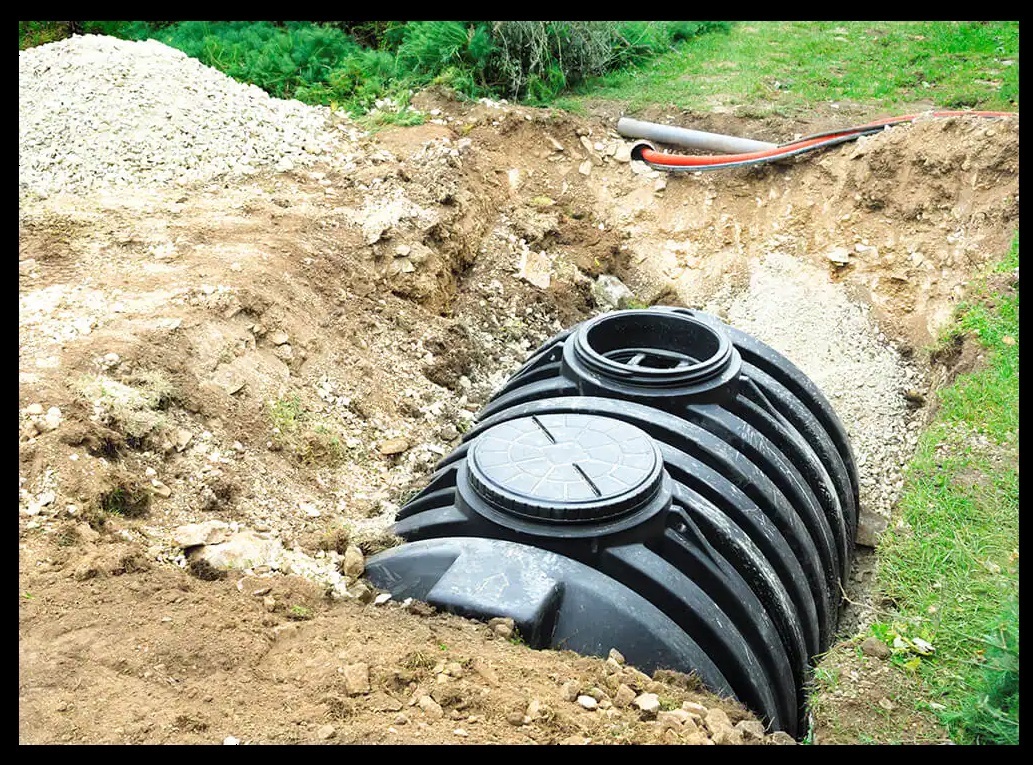
When planning to install or replace a septic system, one of the most common concerns homeowners homeowners face is determining the overall cost. Various factors influence the final price, but understanding these key elements can help you make an informed decision and avoid unexpected expenses. This comprehensive guide covers the essential factors affecting septic tank costs and the total expense of installing a septic system, enabling you to plan effectively and maximize your investment.
What Is a Septic System?
A septic system is an underground wastewater treatment structure essential for homes not connected to municipal sewage systems. It safely manages household wastewater through two primary components: a septic tank and a drain field. Wastewater flows from your home into the septic tank, where solids settle at the bottom while the liquid effluent moves to the drain field for filtration and absorption into the soil.
While these basic components remain consistent, several factors influence the overall cost of your septic system. Let’s explore these variables to help you anticipate costs accurately.
Read More: Each And Everything You Need to Know About Topographic Surveying
1. Type of Septic System
The type of septic system you need is a crucial factor affecting the total septic system cost. The design depends on soil characteristics, water table levels, and local regulations.
- Conventional Systems: These gravity-based systems are the most common and typically the least expensive. Their simple design involves fewer mechanical parts, lowering both the septic tank cost and installation expenses.
- Alternative Systems: Properties with poor soil drainage or high water tables may require alternative systems such as mound systems or aerobic treatment units (ATUs). These systems incorporate advanced technology, including pumps and oxygenation, increasing installation and maintenance costs. For example, mound systems require constructing raised beds, significantly adding to expenses.
- Pressure Distribution Systems: In some locations, pumps are necessary to evenly distribute wastewater across the drain field. Incorporating pumps and related components raises both upfront costs and ongoing maintenance fees.
2. Septic Tank Material
The material used to construct your septic tank is another significant cost factor.
- Concrete Tanks: Known for their durability and longevity, concrete tanks are heavy and may incur higher transportation and installation costs. They are ideal for areas with high water tables as they resist shifting or floating. Despite a higher initial septic tank cost, concrete tanks provide excellent long-term value.
- Plastic Tanks: Lightweight and easier to install, plastic tanks generally cost less upfront. However, they may be more vulnerable to damage in unstable soil conditions or areas with high water tables, potentially reducing their lifespan.
- Fiberglass Tanks: Combining strength and corrosion resistance, fiberglass tanks offer durability superior to plastic but lighter weight than concrete. Their cost typically falls between plastic and concrete tanks, balancing initial price and longevity.
3. Size of the Septic System
The size of your septic system is based on household size and wastewater output. Larger homes or those with more bedrooms require bigger tanks and drain fields, increasing total system costs.
- Septic Tank Size: For example, a typical two- to three-bedroom home may require a 1,000-gallon tank, whereas larger homes may need tanks of 1,500 gallons or more. Larger tanks raise both material costs and installation labor.
- Drain Field Size: A bigger septic tank necessitates a larger drain field to properly treat wastewater, entailing more excavation, materials, and labor, which contribute to higher overall costs.
4. Soil Conditions and Site Preparation
Soil evaluation, including percolation (perc) tests, assesses how well your soil absorbs water and heavily influences septic system cost.
- Well-Draining Soil: If your soil drains efficiently, installation is straightforward, typically allowing for conventional septic systems at lower costs due to minimal site preparation.
- Poorly Draining Soil: Soils with clay, rock, or poor drainage may require advanced systems like mound systems, involving extensive excavation and construction, increasing labor and material expenses.
- High Water Table: Properties with a high water table require specialized system designs to prevent groundwater contamination, significantly raising installation costs.
5. Local Regulations and Permitting
Every region enforces specific regulations for septic system installation, necessitating permits and inspections that add to total project expenses.
- Permit Fees: Permit costs vary widely by location but generally range from several hundred to over a thousand dollars based on system complexity and local requirements.
- Inspections: Multiple inspections before, during, and after installation ensure compliance with health and environmental standards. Inspection fees are often included in permit costs but can fluctuate by area.
6. Labor and Installation Complexity
Labor accounts for a significant portion of the septic system cost. Complexity of the site and installation affects this expense.
- Straightforward Installations: Flat, accessible sites typically streamline installation, keeping labor costs lower and completing the project in one to two days.
- Challenging Installations: Sites with hills, rocky terrain, or limited access may require additional equipment and time, increasing labor costs considerably.
7. Ongoing Maintenance Costs
Beyond initial installation, ongoing maintenance is essential to sustain your septic system’s functionality and prevent expensive repairs.
- Pumping: Septic tanks should be pumped every 3 to 5 years to remove accumulated solids. Pumping costs typically range from $300 to $600 per service, depending on tank size and location.
- Repairs and Upkeep: Regular inspections help detect minor issues early. Advanced systems like aerobic treatment units may require more frequent maintenance, which can increase overall lifetime costs.
Conclusion
The total cost of a septic system installation varies widely based on system type, size, tank material, soil conditions, local regulations, labor complexity, and ongoing maintenance. While upfront septic tank costs represent a substantial portion of the expense, considering long-term operational costs and compliance requirements is vital. By understanding these factors, you can select the best septic system for your home’s needs and ensure your investment provides reliable service for years to come. Working with a qualified professional is crucial to guarantee proper installation and cost management.
For more information on “Sell Your Home Fast – Houzeo & Ibuyers“, please visit our dedicated “Real Estate” category.
Frequently Asked Questions
How much does installing a septic system typically cost in 2024?
The average cost ranges from $5,000 to $15,000 or more depending on system type, size, and site conditions. Conventional systems tend to be less expensive, while alternative systems with advanced features cost more.
Can I install a septic system myself to save money?
Due to health and environmental regulations, septic system installation requires permits and inspections and should be performed by licensed professionals to ensure safety and compliance.
How often should a septic tank be pumped?
Typically, septic tanks should be pumped every three to five years, depending on household size and tank capacity. Regular pumping prevents system failure and costly repairs.
What are the signs my septic tank needs repair or replacement?
Common signs include slow draining sinks, foul odors near the drain field, sewage backups, lush vegetation over the drain field, and soggy soil around the system. Prompt professional evaluation is recommended.
Are there financing options for septic system installation?
Many local governments and private lenders offer financing and grants for septic system installation or replacement, especially for properties replacing failing systems.