
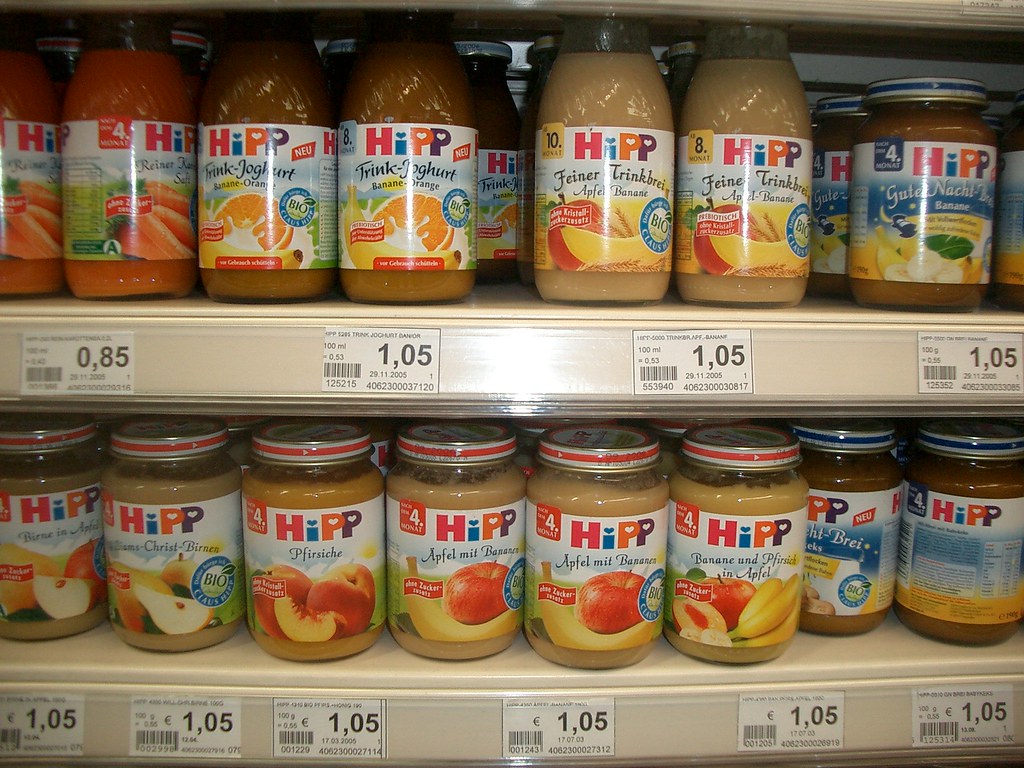
HiPP formula is available in multiple stages tailored to meet the evolving nutritional needs of babies. Stage 1 suits newborns up to 6 months, while Stage 2 supports infants aged 6 months and older. Additionally, specialty options like HiPP HA cater to babies with specific dietary requirements, such as those with cow’s milk protein allergies. Understanding these stages and formula variants empowers parents to select the best option to nurture their baby’s unique needs.
The Importance of Water Quality in Formula Preparation
Water quality plays a vital role in the safe preparation of baby formula, directly influencing its safety and nutritional integrity. Using clean, contaminant-free water is essential to protect a baby’s delicate digestive system from harmful bacteria and pollutants. Moreover, mineral content in water can affect both the taste and nutrient profile of the formula, making low-mineral, pure water the safest choice. Poor water quality has been known to cause digestive issues such as stomach upset or diarrhea in infants, highlighting the importance of ensuring water safety during formula preparation.
Beyond safety, water quality impacts the nutritional balance of the formula. Water containing impurities or excess minerals can alter the formula’s intended nutrient composition, potentially hindering your baby’s healthy growth and development. For these reasons, parents preparing HiPP formula should prioritize water quality by selecting sources that meet stringent safety and purity standards.
Can Tap Water Be Used for Mixing HiPP Formula?
Tap water is often a convenient and accessible option for mixing HiPP formula, but its suitability depends on local water quality. In many regions, tap water is rigorously treated to comply with strict safety standards and is safe for infant consumption. However, in some areas, tap water may contain contaminants or elevated mineral levels that could pose risks to infants.
Before using tap water to prepare HiPP formula, parents should research local water quality reports and confirm that the water is free from harmful substances and contaminants. Where tap water meets safety criteria—including low levels of minerals and no pathogens—it may be used as a suitable option for formula mixing. If the local tap water quality is questionable or unknown, alternative water sources should be considered to ensure infant safety.
Factors to Consider When Using Tap Water for Formula Preparation
Several important factors influence the decision to use tap water for mixing HiPP formula:
- Local Water Quality: Evaluate water supply reports for any contaminants such as lead, pesticides, or microorganisms, and assess mineral content.
- Infant Age and Health: Newborns and infants under six months have vulnerable immune systems and digestive tracts, warranting extra caution.
- Specific Health Concerns: Consider any allergies, sensitivities, or medical advice that may affect water choice.
- Water Treatment and Filtration: Using home filtration systems or boiling tap water may improve safety but should be done following professional guidance.
By carefully considering these factors, parents can make well-informed decisions to ensure their baby’s health and well-being.
Alternatives to Tap Water for Mixing HiPP Formula
For parents concerned about tap water quality, several safe alternatives are available for preparing HiPP formula:
- Bottled Water: Many types of bottled water are filtered and purified to meet stringent quality standards, making them a convenient and reliable choice.
- Distilled or Purified Water: These undergo processes to remove minerals and contaminants, providing a safe, low-mineral water ideal for formula preparation.
- Filtered Water: Using certified home filtration systems can effectively reduce impurities, but filters must be regularly maintained to ensure performance.
Choosing one of these alternatives may ease concerns about water purity and provide peace of mind when preparing infant formula.
Ensuring Safety and Quality in Formula Preparation
Regardless of the water source, parents should adhere to important safety practices when preparing HiPP formula:
- Maintain Hygiene: Wash hands thoroughly before handling bottles and formula powder.
- Use Sterile Equipment: Properly clean and sterilize bottles, nipples, and utensils to prevent bacterial contamination.
- Follow Preparation Instructions: Accurately measure the formula powder and water, and use the recommended water temperature—usually warm but not boiling—to mix the formula.
- Store Formula Safely: Prepare formula just before feeding or store it in a refrigerator and use within 24 hours to prevent bacteria growth.
These best practices help ensure your baby receives safe and nutritious feedings every time.
Best Practices for Preparing HiPP Formula with Tap Water
If tap water quality is confirmed safe and pure, it can serve as a practical option for mixing HiPP formula. Parents should consistently ensure their local water supply meets the highest safety standards. When unsure, opting for bottled, distilled, or filtered water can provide additional security.
To maximize safety and nutritional value:
- Always verify tap water quality through local water authority reports or independent testing.
- Boil tap water when advised, particularly in areas where water safety is questionable.
- Follow HiPP’s preparation guidelines meticulously, maintaining hygiene and correct mixing ratios.
- Store prepared formula safely and discard any leftover formula after feeding.
By following these guidelines, parents can confidently provide their babies with the nourishing benefits of HiPP formula.
Frequently Asked Questions (FAQs)
Tap water safety varies by location. Always check local water quality reports or consult healthcare providers. If uncertain, use bottled, distilled, or filtered water instead.
Yes. Boiling tap water for at least one minute can kill harmful bacteria and pathogens. Let the water cool to the recommended temperature before mixing the formula.
Use bottled water labeled as purified, distilled, or specifically suitable for infant feeding. Avoid mineral and sparkling waters high in mineral content.
Store prepared formula in the refrigerator and use it within 24 hours. Discard any formula left in the bottle after feeding to prevent bacterial growth.
Yes, HiPP offers specialty formulas such as HiPP HA, which are hypoallergenic and formulated for infants with cow’s milk protein allergy. Consult with your pediatrician to choose the best option.
Want to know about ‘The Best Water Heater Installation Service‘ Check out our ‘Small Businesses‘ category.