

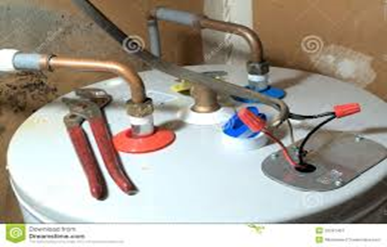
Choosing the right water heater is essential to ensure your family has a reliable supply of hot water while maximizing energy efficiency. To make an informed decision, consider the various types of water heaters available, their capacities, and fuel sources that best suit your household needs. What to Do When You Need Emergency Water Damage Restoration is a useful companion read here.
Water heaters come in a variety of designs and sizes tailored to different usage patterns and energy preferences.
Before purchasing, it’s important to understand the key types of water heaters available in the market, including options for water heaters:
- Storage Water Heaters: Often referred to as traditional tank heaters, these models store hot water to ensure a constant supply, ideal for homes with multiple simultaneous users or frequent visitors requiring a steady hot water source.
- Tankless Water Heaters: Also known as on-demand heaters, these systems heat water only when needed, providing an endless supply without the need for a storage tank. These units are known for their energy efficiency and space-saving design.
- Heat Pump Water Heaters: Utilizing electricity to transfer heat rather than generating it directly, heat pump water heaters significantly reduce energy consumption and operating costs.
- Solar Water Heaters: These use solar energy to heat water, offering an eco-friendly and cost-effective solution by harnessing renewable energy and reducing utility bills.
- Space Heating Systems: These systems heat water indirectly through tankless coils or indirect heating methods, often integrated with home heating systems (water heaters).
Key Criteria for Selecting the Best Water Heater
When deciding on the ideal water heater for your home, consider the following important factors:
- Fuel Type, Availability, and Cost: The choice of fuel significantly impacts both the initial cost and ongoing operating expenses. Evaluate local fuel availability—whether natural gas, electricity, solar, or other options—and compare costs to find the most economical choice for your household.
- Size and Capacity: Selecting the right size is crucial to ensure sufficient hot water supply without unnecessary energy waste. For detailed guidance on sizing, refer to professional Water heater installation Orange County sections.
- Energy Efficiency: Prioritize water heaters with high energy efficiency ratings to reduce power consumption and save on utility bills. Energy-efficient models often qualify for rebates and incentives, further lowering costs.
- Overall Costs: Besides the purchase price, consider annual operating costs and maintenance expenses. Adopt water-saving habits such as using cold water for laundry to minimize water heating needs. Technologies like drain-water heat recovery can also help reduce energy consumption.
If you have access to multiple fuel sources, especially when constructing a new home, it’s worth comparing fuel prices and considering potential installation costs associated with switching energy types, such as running new gas lines or upgrading electrical circuits. Always consult your local utility providers for the latest fuel pricing and availability.
Your choice of water heater will influence both your comfort and utility expenses. For example, electric heat pump water heaters generally offer higher efficiency and performance over traditional electric storage models. Even in regions with low natural gas prices, heat pump models can often deliver cost savings over conventional gas storage heaters due to better efficiency.
About the Author
Michael Cabral is a marketing manager at EZ Heat and Air. He specializes in writing about innovative HVAC solutions, including hybrid system installations, duct cleaning, water heater maintenance, thermostat optimization, and heat pump technology in Orange County. Michael’s insights help homeowners maintain efficient, hassle-free HVAC systems for long-term comfort. Visit his articles for expert advice on HVAC care and energy-saving strategies.
Frequently Asked Questions (FAQs)
Heat pump water heaters and solar water heaters are among the most energy-efficient options available. Heat pumps transfer heat rather than generating it, and solar systems use free energy from the sun, reducing reliance on conventional fuels.
Consider the number of occupants and typical water usage patterns. Tank water heaters are sized by storage capacity, while tankless systems are sized by flow rate. Refer to detailed sizing guides like those found in professional Water heater installation Orange County resources for precise recommendations.
Yes, tankless water heaters offer on-demand hot water, improved energy efficiency, and a longer lifespan compared to traditional models. While the upfront cost may be higher, they often reduce energy bills over time.
Potentially, yes. Switching to a more affordable or efficient fuel source might lower operating expenses. However, installation costs and compatibility should be carefully evaluated before switching.
Regular flushing to remove sediment, inspecting the anode rod, checking pressure relief valves, and ensuring proper insulation can prolong your water heater’s lifespan and efficiency. Professional maintenance is recommended annually.