
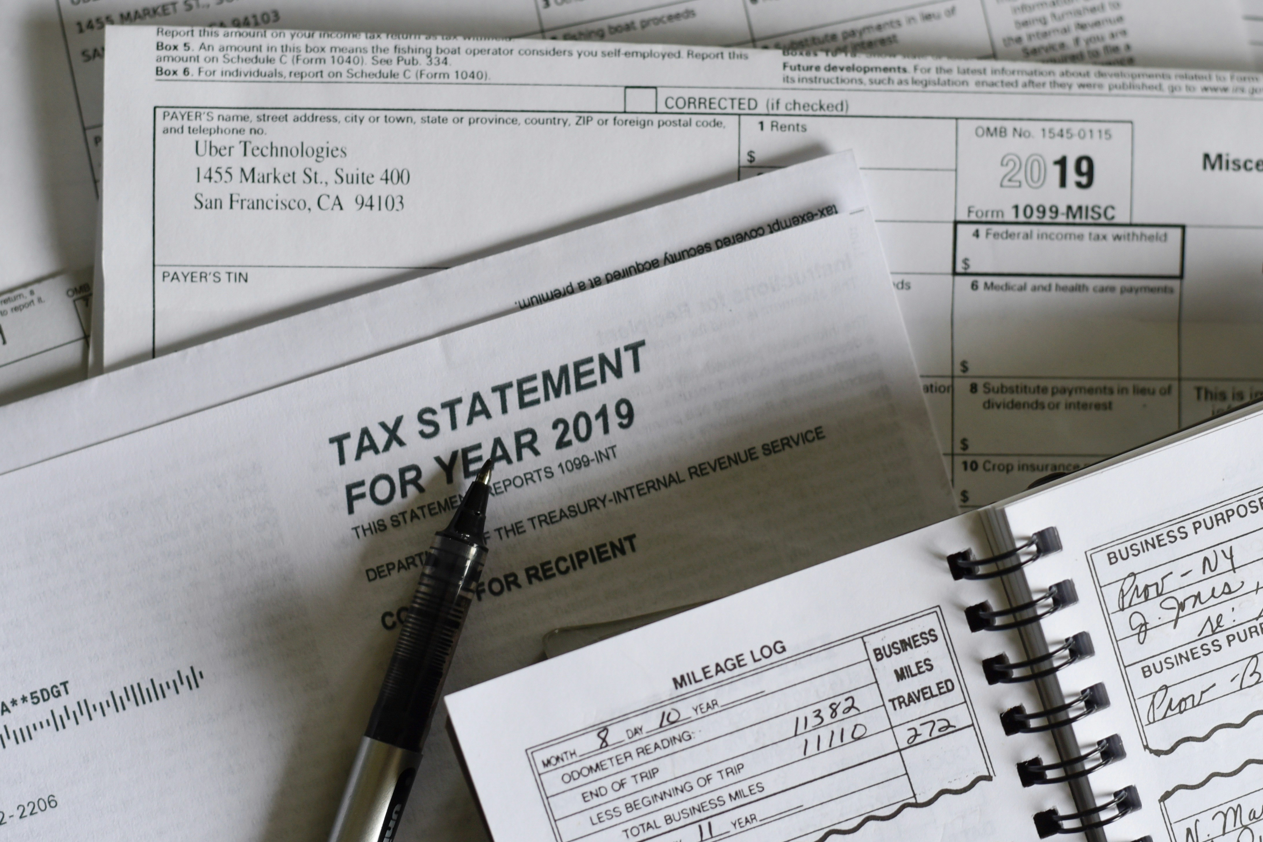
Tax season doesn’t have to be stressful. With new tools and smarter strategies, businesses today can simplify tax preparation and stay ahead of compliance. Whether you’re launching a startup or managing a growing enterprise, these modern approaches can save time, reduce errors, and improve financial clarity.
Here are five innovative ways businesses are transforming how they handle taxes.
Automating Bookkeeping for Real-Time Accuracy
Manual bookkeeping is no longer the norm. Today’s businesses are turning to automation to streamline financial tracking and reduce human error. Cloud-based accounting platforms now sync directly with bank accounts, categorize expenses automatically, and generate reports in real time. This means business owners and accountants can access up-to-date financial data anytime, making tax preparation faster and more accurate.
Automated bookkeeping also helps reduce the risk of missing deductions or misreporting income. With consistent data entry and smart categorization, businesses can ensure their records are audit-ready. For entrepreneurs juggling multiple responsibilities, automation offers peace of mind and frees up time for strategic planning.
Using Tax Software to Simplify Filing and Compliance
Tax software has become a game-changer for businesses of all sizes. These platforms guide users through the filing process, flag potential errors, and help identify eligible deductions. Many tax software solutions also integrate with accounting systems, pulling in relevant data automatically and reducing the need for manual input.
For business accountants, tax software offers advanced features like payroll integration and real-time updates on tax law changes. This ensures compliance while minimizing the risk of penalties. New business owners benefit from intuitive dashboards and step-by-step instructions, making tax filing less intimidating. With the right software, even complex returns become manageable.
Outsourcing to Virtual Tax Professionals for Flexibility
Remote work has reshaped how businesses access professional services, including tax preparation. Virtual tax professionals offer flexible, on-demand support without the overhead of hiring in-house staff. These experts can handle everything from quarterly filings to year-end returns, often with faster turnaround times and lower costs.
Outsourcing also brings specialized knowledge to the table. Businesses can work with professionals who understand their industry, state-specific regulations, and niche deductions. This tailored expertise helps maximize savings and ensures accurate reporting. For growing companies, virtual tax support scales easily, adapting to changing needs without long-term commitments.
Leveraging AI for Smarter Tax Insights
Artificial intelligence is making tax preparation more strategic. AI-powered tools analyze financial data to uncover patterns, predict future liabilities, and suggest tax-saving opportunities. These insights go beyond basic compliance, helping businesses make smarter decisions throughout the year.
For example, AI can flag unusual transactions, recommend optimal filing strategies, or identify areas for cost reduction. Some platforms even simulate different tax scenarios, allowing businesses to plan ahead and avoid surprises. Entrepreneurs benefit from proactive guidance, while accountants gain deeper visibility into client finances. As AI continues to evolve, its role in tax strategy will only grow.
Integrating Tax Planning Into Year-Round Financial Strategy
Tax preparation isn’t just a once-a-year task. Modern businesses are embedding tax planning into their ongoing financial strategy. This means reviewing expenses regularly, adjusting payroll structures, and timing purchases to optimize deductions. By thinking ahead, companies can reduce their tax burden and improve cash flow.
Year-round planning also helps avoid last-minute scrambles. With quarterly check-ins and proactive adjustments, businesses stay compliant and prepared. Accountants can offer strategic advice throughout the year, not just during tax season. For new business owners, this approach builds financial discipline and sets the foundation for long-term success.
Conclusion
Tax preparation has come a long way. With automation, smart software, virtual support, and strategic planning, businesses can take control of their taxes and focus on growth. These modern approaches aren’t just convenient—they’re transformative. By embracing innovation, business owners and accountants can turn tax season into a powerful opportunity for clarity, savings, and success.
If you want to learn more about Key points when choosing to buy a solar panel inverter, please visit our Small Businesses Category for additional resources and insights.