
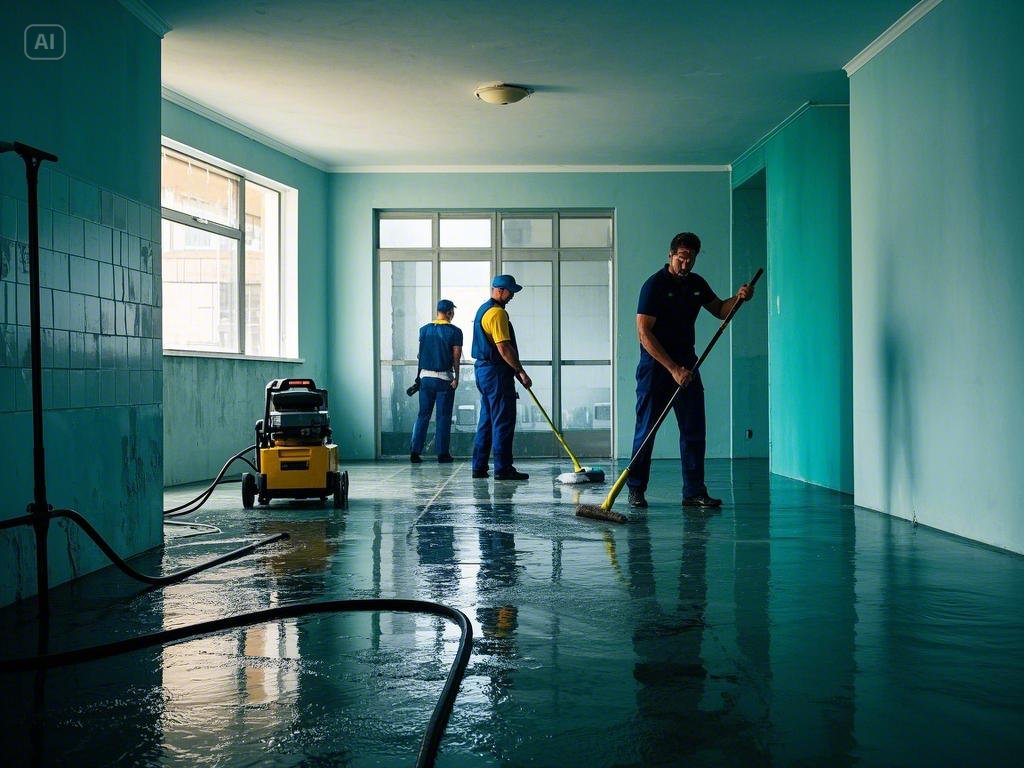
Water damage ranks among the most urgent and stressful emergencies for homeowners and business owners alike. Whether triggered by a burst pipe, severe storm, roof leak, or overflowing appliance, water can rapidly spread throughout your property, damaging floors, walls, furniture, and even compromising the building’s structural integrity. If not addressed promptly and properly, it can also lead to hazardous mold growth, electrical dangers, and significant repair costs.
So, what steps should you take if you encounter a water damage emergency? Let’s explore the crucial actions for fast, effective water damage restoration.
Step 1: Stop the Water Source Immediately
Your first priority is to halt the flow of water to prevent further flooding.
How to Shut Off the Water Supply:
✔ Turn Off the Main Water Valve – In cases of broken pipes, cutting off the main water supply stops additional flooding.
✔ Temporarily Cover Roof Leaks – Use a tarp or waterproof covering to block rainwater during roof damage caused by storms.
✔ Unplug Electrical Devices – If water is near outlets or appliances, switch off the power at your breaker box to avoid electrical hazards.
💡 Pro Tip: Ensure everyone in your home or workplace knows where the main water shutoff valve is located for quick access during emergencies.
Step 2: Remove Standing Water Promptly
After stopping the water inflow, remove standing water to reduce further damage.
Effective Water Removal Techniques:
✅ Use a Wet/Dry Vacuum – Ideal for extracting water from carpets, floors, and furniture.
✅ Mop and Towels for Small Spills – Quickly absorb smaller amounts of water.
✅ Utilize a Sump Pump for Major Flooding – Effective for removing water from basements or crawl spaces.
✅ Seek Professional Help for Severe Flooding – When water levels exceed a few inches, professional restoration services are recommended.
💡 Pro Tip: Acting quickly is critical; prolonged water exposure increases the risk of structural damage and expensive repairs.
For expert water damage restoration services, visit TheDryGuy.com. They offer rapid response and professional solutions designed to minimize damage and simplify the restoration process. Discover more at water damage restoration in Watauga, TX.
Learn additional restoration tips here: Local SEO Strategies
Step 3: Thoroughly Dry the Affected Area
Even when visible water is removed, moisture often remains trapped in walls, floors, and furniture. Complete drying is essential to prevent mold growth and structural deterioration.
How to Accelerate Drying:
✔ Deploy High-Powered Fans – Circulate air and promote evaporation.
✔ Run Dehumidifiers – Extract excess moisture from the air.
✔ Open Windows and Doors – Utilize lower outdoor humidity levels to aid drying.
✔ Check Hidden Areas – Use a moisture meter to detect dampness behind walls or under floors.
Step 4: Inspect for Structural and Electrical Damage
Post-drying, assess your property thoroughly as some damages may not be immediately visible but may pose serious risks later.
Signs to Watch For:
🔹 Warped or Buckled Flooring – Wood or laminate floors often degrade after water exposure.
🔹 Ceiling Stains or Sagging – Beware of potential ceiling collapse due to prolonged moisture.
🔹 Electrical Risks – Have an electrician inspect your electrical system if water reached outlets or wiring before restoring power.
💡 Safety Tip: Avoid entering flooded spaces if electrical wires are exposed to prevent shock hazards.
Step 5: Sanitize and Prevent Mold Growth
Water damage fosters bacteria, mildew, and mold proliferation. Sanitizing surfaces is critical to restoring a safe environment.
Recommended Cleaning Solutions:
✅ White Vinegar – A natural mold-spore killer.
✅ 3% Hydrogen Peroxide – Effective at eliminating bacteria and deodorizing.
✅ Bleach Solution (1 cup bleach per gallon of water) – Use on non-porous surfaces like tiles.
✅ Commercial Mold-Preventative Sprays – For enhanced protection, available at retailers.
💡 Pro Tip: If mold growth becomes extensive, consult professional mold remediation experts immediately.
Step 6: Repair or Replace Damaged Materials
Some materials might be beyond repair after severe water exposure and must be replaced.
Common Items Needing Replacement:
🔹 Drywall and Insulation – Often compromised and should be replaced.
🔹 Wood Flooring – Warped or buckled sections may require refinishing or removal.
🔹 Furniture and Upholstery – Deeply soaked items may not be salvageable.
Step 7: Contact Your Insurance Company Promptly
Water damage restoration can be costly, but many homeowner insurance policies cover eligible damages depending on the cause.
Tips for Filing an Insurance Claim:
✔ Document the Damage – Take clear photos and videos.
✔ Save All Receipts – Keep records of all cleaning, repairs, and restoration expenses.
✔ Contact Your Insurance Provider Immediately – Clarify coverage and next steps.
✔ Consider Hiring a Public Adjuster – They can help you maximize your claim.
Step 8: Implement Preventative Measures
After restoration, proactively protect your home or business from future water damage.
Prevention Strategies:
✔ Regularly Inspect and Maintain Plumbing – Quickly fix leaks.
✔ Clean Gutters and Downspouts – Avoid roof leaks and basement flooding.
✔ Insulate Pipes During Cold Months – Prevent pipe bursts.
✔ Install a Sump Pump with Battery Backup – Essential for flood-prone basements.
✔ Use Water Leak Detection Devices – Receive early alerts of leaks.
💡 Pro Tip: Schedule annual inspections for your roof, plumbing, and foundation to detect vulnerabilities early.
Final Thoughts: Prompt Action Saves You Money and Stress
Responding quickly to water damage emergencies is the key to minimizing expensive repairs, mold development, and health risks.
Summary of Key Actions:
✅ Shut off the water source immediately
✅ Remove standing water fast
✅ Use fans and dehumidifiers to thoroughly dry affected areas
✅ Inspect for hidden structural and electrical damage
✅ Sanitize to inhibit mold and bacteria
✅ Repair or replace unsalvageable materials
✅ Work with your insurance company to cover costs
✅ Take preventive measures to protect your property
Have you experienced water damage? Share your restoration experiences and tips in the comments below!
For more information on Key points when choosing to buy a solar panel inverter, visit our Small Businesses category.
Frequently Asked Questions (FAQs) About Water Damage Restoration
It’s critical to act within 24-48 hours. The longer water sits, the more damage occurs, particularly mold growth.
Small leaks and minor water damage can often be handled personally. However, significant flooding or suspected mold contamination requires professional restoration.
Coverage varies by policy and the cause of water damage. Sudden leaks typically are covered, but flooding from external sources often requires separate flood insurance.
Signs include musty odors, water stains, warped surfaces, or mold growth. Moisture meters and professional inspections can help detect hidden moisture.
Water damage can promote mold and bacteria growth which may cause respiratory issues, allergies, and infections, especially in vulnerable individuals.
Want to know about ‘Water Remediation Services in Houston TX‘ Check out our ‘Small Businesses‘ category.