
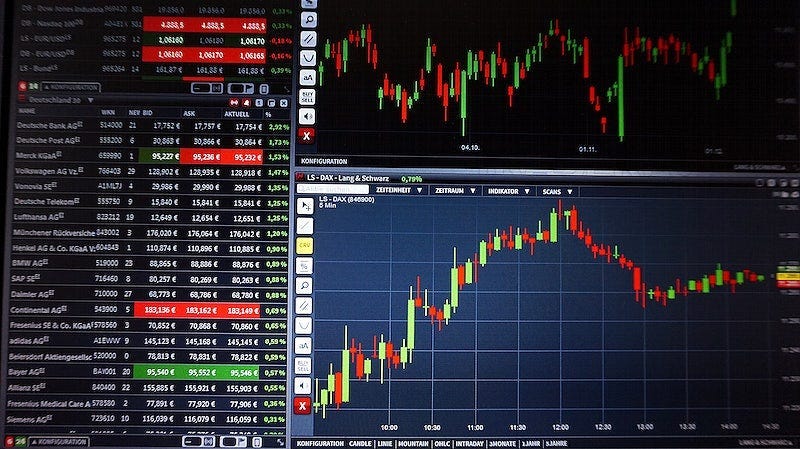
CFD (Contract for Difference) trading offers an exciting opportunity for traders seeking to profit from price fluctuations across various financial markets. Whether you’re interested in forex, commodities, or indices, CFDs provide flexibility, leverage, and the ability to take both long and short positions. However, the key to long-term success in CFD trading lies in effectively balancing risks with potential rewards. In this article, we will explore how to manage your CFD trading portfolio by understanding the dynamics of risk and reward, implementing proven risk management techniques, maximizing your rewards, and avoiding common pitfalls.
Understanding CFD Trading Risks and Rewards
CFD trading enables investors to speculate on the price movements of financial assets without owning the underlying instruments. Instead of purchasing the actual asset, traders enter into a contract with a broker to exchange the price difference from the moment the contract opens to when it closes. While this can result in substantial profits, it carries inherent risks that traders must recognize.
The primary risk in CFD trading stems from market volatility. Financial asset prices can fluctuate sharply in short periods, causing your positions to quickly turn into losses as well as gains. This volatility acts as a double-edged sword—offering opportunities but also demanding astute market knowledge and disciplined position management.
Leverage further amplifies the risk-reward balance. CFDs typically allow traders to control large positions with a relatively small initial investment. This leverage can significantly increase potential profits if markets move favorably but can equally magnify losses if the market moves against you. Effective risk management is essential to protect your capital when trading with leverage. For detailed guidance on managing leverage, visit ADSS Dubai.
Risk Management Strategies in CFD Trading
Effective risk management is crucial when trading CFDs, given the high volatility and leverage involved. Without proper controls, traders can quickly incur significant losses. A robust risk management plan forms the backbone of any successful trading strategy.
Implementing stop-loss and take-profit orders is fundamental to risk control. A stop-loss order automatically closes a position when the price moves against you by a predetermined amount, effectively limiting your losses. Conversely, a take-profit order locks in profits once the asset price reaches your target level. These orders help mitigate emotional decision-making and maintain discipline during volatile market conditions by ensuring trades close automatically upon reaching specific price points, reducing the risk of prolonged exposure.
Reward Maximization Techniques for a Balanced Portfolio
Strategic market selection is vital for maximizing your rewards. Different markets present unique profit opportunities, so focusing on highly liquid markets with favorable trading conditions increases your chances for consistent gains. Markets exhibiting strong trends or predictable price patterns often provide better opportunities that align with your risk appetite and trading objectives. Staying informed by researching market behaviors and monitoring economic news and reports helps identify high-probability trades.
Integrating both technical and fundamental analysis further enhances decision-making. Technical analysis involves examining price charts and using indicators such as the Relative Strength Index (RSI), Moving Average Convergence Divergence (MACD), and moving averages to spot trends and optimal entry points. In contrast, fundamental analysis assesses economic data, news, and events influencing market movements. Combining these methods provides a comprehensive market perspective that can improve your trade outcomes.
Common Mistakes to Avoid When Balancing Risk and Reward
One major mistake traders make is overtrading driven by emotional or impulsive decisions decisions. Market excitement, especially during high volatility, can tempt you into rash actions fueled by fear or greed, often resulting in excessive risk-taking. Adhering to a clear trading plan with realistic goals promotes discipline and helps avoid emotional trading pitfalls.
Another common error is neglecting risk management during profitable streaks. Success can lead to overconfidence, tempting traders to increase position sizes and exposure. Instead, maintaining your risk management strategies—such as stop-loss orders and portfolio diversification—is essential to protect gains and prevent large losses.
Conclusion
Balancing risk and reward is critical for sustainable success in CFD trading. By comprehending the risks, implementing sound risk management techniques, strategically selecting markets, and leveraging combined analytical methods, traders can build a portfolio that is both profitable and resilient. Avoiding emotional trading and carefully managing leverage will further enhance your chances of long-term profitability. With the right tools and a disciplined approach, you can confidently navigate the complexities of CFD trading and unlock the full potential of this dynamic financial market.
If you are interested to learn more about The Scale and Variety of Advertising Agencies in New York City, please visit our Marketing category for additional resources and expert insights.
Frequently Asked Questions (FAQs)
CFD trading allows investors to speculate on the price movement of financial assets without owning the underlying security. Traders enter a contract to exchange the difference in the asset’s price between the opening and closing of the trade.
Leverage enables traders to control larger positions with smaller initial investments, amplifying both potential profits and potential losses. While leverage increases earning potential, it also increases risk, making risk management essential.
Common risk management tools include stop-loss orders, take-profit orders, and position sizing strategies. These tools help limit losses and lock in profits, preventing emotional decision-making.
Traders can maximize rewards by selecting liquid markets with favorable conditions, using both technical and fundamental analyses, and following disciplined trading plans.
Common mistakes include overtrading driven by emotions, ignoring risk management rules during winning streaks, and misusing leverage without proper controls.