
Since childhood we have learned that people often judge others by their appearance. Similarly, customers and prospects evaluate your website based on its design and usability. Keeping your website updated and optimized is essential for maintaining a strong online presence.
Why You Should Consider SEO During a Website Redesign
SEO improvements can take months, sometimes even years, to deliver significant results. Because of this, it’s crucial to consider SEO carefully when redesigning your website to maintain and improve your search engine rankings.
You don’t have to worry about your SEO declining if you handle the redesign correctly. Proper planning ensures your website’s SEO performance remains strong throughout the process.
How to Redesign Your Website Without Hurting SEO
If your website currently enjoys high organic traffic, it’s critical to redesign it carefully to preserve your search ranking. Follow these essential steps:
Step 1: Analyze Your Current SEO Performance
Before starting your redesign, analyze your existing SEO standings. Utilize analytic tools to check your site’s rank and identify the keywords driving your traffic. Focus on redesigning pages with outdated design or slow load times. Keep a note of high-performing keywords and metadata for reference throughout the redesign process.
Step 2: Crawl Your Existing Website
Use website crawling tools to understand your current site’s link and URL structure in depth. Tools like Yoast SEO can assist in this analysis. If your site structure is strong and contributing positively to SEO, retain it during the redesign to avoid losing any ranking benefits.
Step 3: Keep Your Current Website Live During Redesign
Maintain your existing website online until the new design is fully ready to launch. This avoids interruptions or downtime that could negatively affect user experience or SEO rankings. After launching the new site, clear your cache to ensure users and search engines see the updated version.
Step 4: Avoid Launching Your New Site on a Temporary URL
Never redesign your website your temporary URL to go live. Doing so can cause duplicate content issues and confuse both visitors and search engines, resulting in long-term ranking damage. Coordinate with your developer to switch to the permanent domain promptly when your new site is ready.
Step 5: Set Up 301 Redirects for Changed URLs
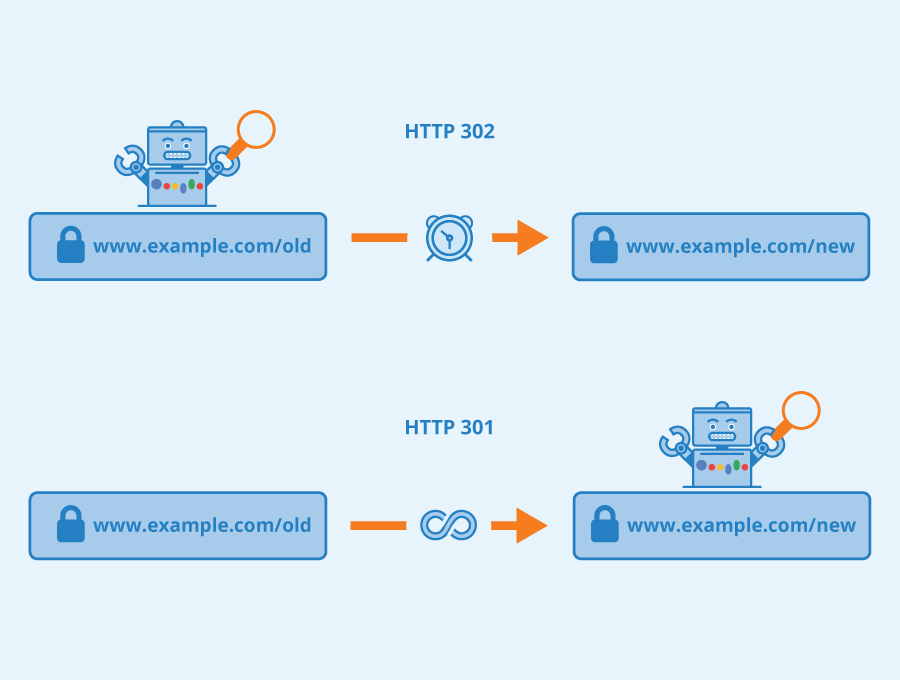
Preserve original site architecture and content as much as possible, especially pages ranking well for important keywords. If any URLs change during the redesign, implement 301 redirects from the old URLs to the new ones. This ensures all your SEO equity and valuable backlinks are retained and prevents 404 errors that can harm user experience and rankings.
Step 6: Thoroughly Test Your New Website Before Launch
Before going live, duplicate your site in a test environment and ensure all links work properly, and all features perform as expected. Confirm your site loads quickly and is fully mobile-friendly, as mobile traffic accounts for a large portion of web visitors. Each URL should direct users to the correct page to provide a seamless experience.
These steps will help you redesign your website without negatively impacting SEO. It’s not recommended to attempt this alone unless you have experience, as mistakes can be costly and difficult to reverse. Instead, hire professionals experienced in website development, especially for industry-specific businesses like construction companies.
The expert team at Contractor Marketing Gurus specializes in responsive web design tailored for construction companies. We provide comprehensive SEO support to help your business maintain and improve its rankings while delivering a visually appealing, user-friendly website.
This post was crafted by a specialist at Contractor Marketing Gurus. With countless successful case studies, client testimonials, and proven results in the contracting industry, Contractor Marketing Gurus identifies your target audience, designs and creates attractive content, runs effective ad campaigns, and delivers the best home improvement SEO. Contact us today for more information!
If you want to explore more, please visit our small business category.
Frequently Asked Questions (FAQs)
SEO improvements typically take several months to show significant results. Factors like site authority, content quality, and backlink profile influence the timeline. Maintaining existing SEO signals during redesign helps minimize delays.
301 redirects permanently redirect visitors and search engines from old URLs to new ones, preserving SEO rankings and preventing broken links. They are vital when changing URL structures during a redesign.
Yes, by carefully planning your redesign, preserving key content and URLs, setting up proper redirects, and ensuring a smooth transition, you can maintain or even improve your Google rankings.
Keeping your current site live avoids service disruptions, ensures continuous user access, and prevents SEO issues caused by downtime during the redesign process.
Google Analytics, Google Search Console, SEMrush, Ahrefs, and Yoast SEO are popular tools to analyze your site’s SEO performance, keyword rankings, and website structure.
Want to know about ‘SEO in Today’s Digital Landscape‘ Check out our ‘Digital Marketing‘ category.