In the food and beverage industry, maintaining consistent taste and quality is crucial for customer satisfaction. Yet, various factors during manufacturing, storage, and delivery can alter a product’s taste and overall quality, impacting customer experience.
By leveraging advanced data analysis techniques, food and beverage companies can gain comprehensive control over their production and distribution processes. Real-time insights allow businesses to predict factors influencing product quality and implement preventive measures swiftly.
Technologies such as Big Data analytics, predictive modeling, and specialized research tools empower companies to address common challenges effectively. In this post, we’ll explore how PREDIK Data-Driven’s state-of-the-art data analytics solutions and predictive tools benefit the food and beverage sector.

Predicting a Product’s Shelf Life Accurately
Changes in product quality directly affect shelf life. Accurate shelf-life prediction ensures that products do not expire before reaching customers, reducing waste and saving costs for manufacturers, retailers, and consumers alike.
Data analytics and predictive models utilize historical and real-time data to forecast a product’s shelf life precisely. These advanced tools are especially useful for predicting future events and discovering predictive patterns, enabling proactive quality control and inventory management in the food and beverage industry.
Boosting In-Store Sales with Targeted Analytics
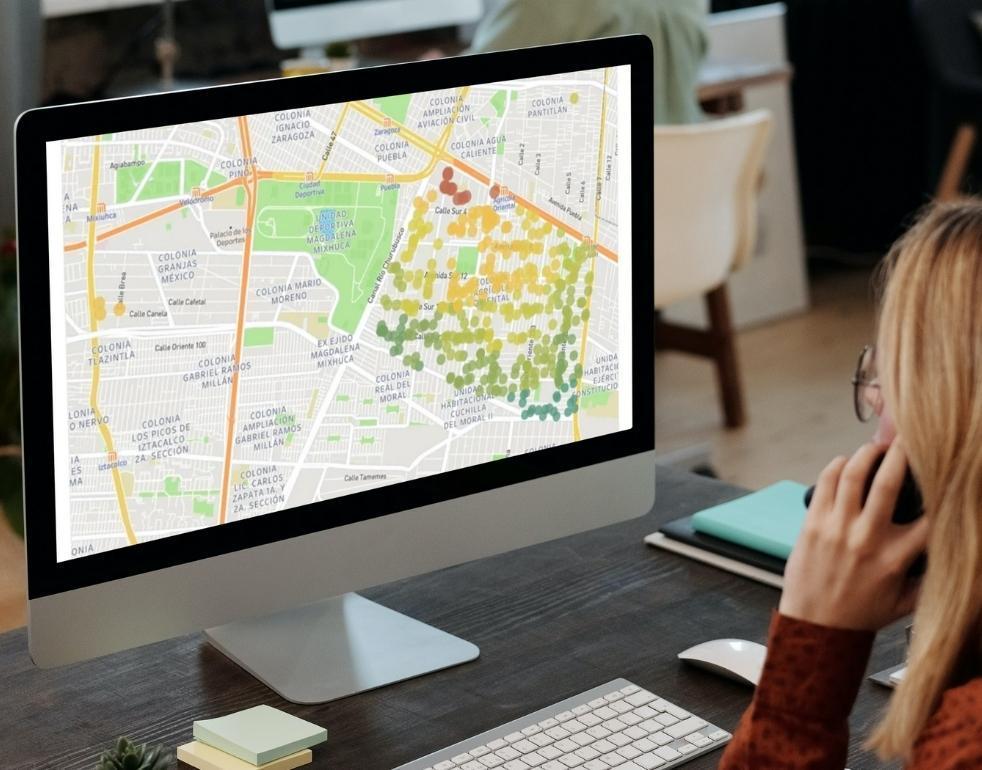
Data analytics can significantly enhance in-store sales by combining GPS and location data to deliver personalized marketing messages. For example, sending targeted promotional SMS alerts to customers who have previously purchased a specific product encourages repeat purchases and increases foot traffic.
Big Data insights help retailers identify best-selling items and customer preferences, such as favorite ice cream flavors, enabling them to optimize stock and promotions effectively. Learn more about how these strategies improve business outcomes at trends.
Optimizing Delivery Scheduling for Freshness and Timeliness
Timely deliveries are crucial in food services, whether to restaurants, retail outlets, or end consumers. Data analytics helps optimize delivery routes, schedules, and timings by integrating variables like traffic conditions, weather forecasts, and temperature controls.
Such optimization ensures that perishable goods arrive fresh, prevents delays, and reduces logistical costs. Businesses using these tools benefit from higher customer satisfaction and streamlined operations.
Strategic Product Allocation Across Locations
Big Data analytics provides granular insights into regional consumer preferences and purchasing behaviors. For instance, if data reveals that over 60% of customers in a specific area prefer sugar-free beverages, companies can allocate inventory accordingly, minimizing waste and maximizing sales.
Analyzing Customer Sentiments for Product Improvement
With billions of active users on various social platforms, data generated from posts, comments, likes, and shares offers invaluable insights into consumer opinions. Companies utilize sentiment analysis to understand customer emotions regarding specific products or brands, enabling informed decision-making.
Sentiment data helps refine product development, customize marketing messaging, and enhance customer engagement strategies for better brand loyalty.
Enhancing Branding and Marketing Strategies
The competitive food and beverage industry invests heavily in branding and marketing. Data analytics enables businesses to target the right consumer segments, discover emerging market opportunities, and craft effective promotional campaigns.
Predictive analytics also assists in understanding market trends, refining pricing strategies, and designing attractive value-added offerings like combo meals that resonate with customers.
Leading Data Analytics Solutions for the Food & Beverage Industry
By adopting data analytics solutions, food and beverage companies gain access to actionable insights, enabling smarter decisions that enhance profitability and competitive advantage.
If you’re interested in implementing data analytics for your business, contact PREDIK Data-Driven. Their experts specialize in the food and beverage industry, providing tailored predictive models, customer analytics, and supply chain optimization tools including location intelligence tools.
Request a demo today to transform your operations and boost growth.
About the Author
This article is written by a data analytics expert with extensive experience across marketing and branding sectors in retail, food and beverage, real estate, and automotive industries. The author is affiliated with PREDIK Data-Driven.
For additional information on How Is machine learning used in big data, please visit our dedicated Digital Marketing category.
Frequently Asked Questions (FAQs)
- How can data analytics improve product shelf-life prediction?
- By analyzing historical quality data and environmental factors, predictive models estimate product shelf life accurately, allowing companies to optimize inventory and reduce waste.
- What role does location data play in boosting in-store sales?
- Location data helps businesses identify where their customers are and send timely promotions or alerts, increasing foot traffic and encouraging repeat purchases.
- How does data analytics optimize delivery routes for fresh products?
- Analytics considers real-time traffic, weather, and logistics information to plan the most efficient routes and timing, ensuring products reach customers fresh and on time.
- Can sentiment analysis really impact food and beverage marketing?
- Yes, sentiment analysis uncovers customer opinions and feelings, guiding companies in product development and marketing strategies to better meet consumer expectations.
- What types of predictive models are useful for the food and beverage industry?
- Models predicting shelf life, demand forecasting, customer behavior, and supply chain logistics are critical for optimizing operations and enhancing profitability.